Who's a Good Candidate for Razor Cutting? A Stylist's Guide
After 12 years behind the chair, I've learned that one of the most important skills in hairstyling isn't just knowing how to use your tools—it's knowing when to use them. And nowhere is this more true than with razor cutting.
The razor can create absolutely stunning, soft, textured looks that shears just can't replicate. But use it on the wrong hair type or condition, and you'll end up with frizz, damage, and an unhappy client. So how do you know who's a good candidate and who isn't?
Let me break it down for you.
The Quick Assessment: What to Look For
Before I even pick up my razor, I'm doing a visual and tactile assessment of my client's hair. Here's what I'm checking:
1. The Ends
I literally look at their ends first. Are they healthy, smooth, and intact? Or are they splitting, fraying, and dry? This tells me immediately whether the hair can handle a razor. Healthy ends = green light. Damaged ends = put the razor down.
2. The Texture and Feel
I run my fingers through the hair to feel its texture. Is it springy? Does it have a halo of frizz? How does it respond to touch? This gives me crucial information about whether the razor will enhance or fight against the hair's natural characteristics.
3. The Density
How much hair are we working with? Is it fine and sparse, or thick and dense? This determines not just whether I'll use the razor, but where and how much I'll use it.
Good Candidates for Razor Cutting
Healthy Hair with Intact Ends
This is non-negotiable for me. The razor works by slicing through the hair at an angle, and it needs healthy hair to create clean, beautiful cuts. When the hair is in good condition, the razor glides through smoothly and creates those soft, feathered ends we love.
Wavy to Curly Hair (Not Kinky-Tight Curls)
This is honestly my favorite hair type to razor cut. When you have healthy, wavy-to-curly hair, the razor creates the most beautiful, lived-in texture. It enhances the natural wave pattern and creates movement that just flows. The results are effortless and gorgeous.
Medium to Dense Hair
Hair with good density is perfect for razor cutting. There's enough hair that when we remove bulk and create texture, the style still has body and fullness. The razor really shines here—it can transform heavy, bulky hair into something light and moveable while maintaining structure.
Clients Wanting Soft, Textured Ends
If your client is asking for soft, piecey, textured ends rather than blunt lines, the razor is your best friend. It naturally creates that feathered, lived-in look that's so popular right now.
Straight Hair (With Precision and Strategy)
Straight hair can absolutely be razor cut, but here's the thing—it requires more precision and control. I usually do a combination approach, using the razor for softer, textured pieces and then coming in with shears for sections that need more control. It's all about knowing when to switch tools.
Fine Hair in Strategic Areas
I'm not ruling out the razor completely on fine hair, but I'm very selective about where I use it. Bangs? Absolutely. Selective layering to create movement in specific areas? Sure. But I'm thoughtful about it because too much razor work on fine hair can make it look even thinner.
Not Good Candidates for Razor Cutting
Damaged or Dry Ends
I cannot stress this enough: damaged hair and razors do not mix. If I see splitting, fraying, or that brittle, dry texture at the ends, I'm not using the razor. Period. The razor will amplify existing damage and create more splitting and breakage. Always use shears on compromised hair.
Very Springy or Frizzy Hair
If the hair has a lot of natural spring or that halo of frizz, the razor can make it worse. The slicing action of the razor can disrupt the hair's structure and increase frizz. Shears give us better control and cleaner cuts on this hair type.
Very Kinky or Tightly Coiled Curly Hair
While I love using the razor on looser curl patterns, very kinky or tightly coiled hair is a different story. The razor can disrupt these tighter curl patterns and create unwanted frizz. Scissor cuts work so much better with these beautiful textures, allowing you to work with the natural curl structure.
Fine Hair When Fullness is the Goal
Here's where strategy really matters. If your client has fine hair and wants fullness and body, the razor is probably not your best tool. The razor thins things out—that's what it does. So when we want to create the illusion of more bulk and thickness, shears help us maintain weight and create shapes that make the hair look fuller.
Clients Wanting Blunt, Solid Lines
The razor creates soft, textured edges by design. If your client wants sharp, blunt lines or solid, geometric shapes, reach for your shears. The razor and precision blunt cuts just don't go together.
Chemically Over-Processed Hair
Similar to damaged ends, hair that's been chemically compromised—whether from color, bleach, relaxers, or other treatments—is too fragile for razor cutting. The hair is already weakened, and the razor will cause more breakage and damage.
The Bottom Line: Trust Your Assessment
The more you work with the razor, the more confident you'll become in making these assessments quickly. But always remember: we have multiple tools for a reason. The razor is incredible when used on the right hair, but it's not the answer for every client.
When in doubt, err on the side of caution. Really look at the hair. Feel it. Ask yourself: "Will the razor enhance this hair or fight against it?" Your client will appreciate that you chose the best technique for their hair, not just the technique you want to practice.
Master the art of assessment, and you'll master the art of razor cutting.
Ready to Level Up Your Razor Cutting Skills?
If you want to dive deeper into razor cutting techniques and build real confidence with this tool, I've got resources for you:
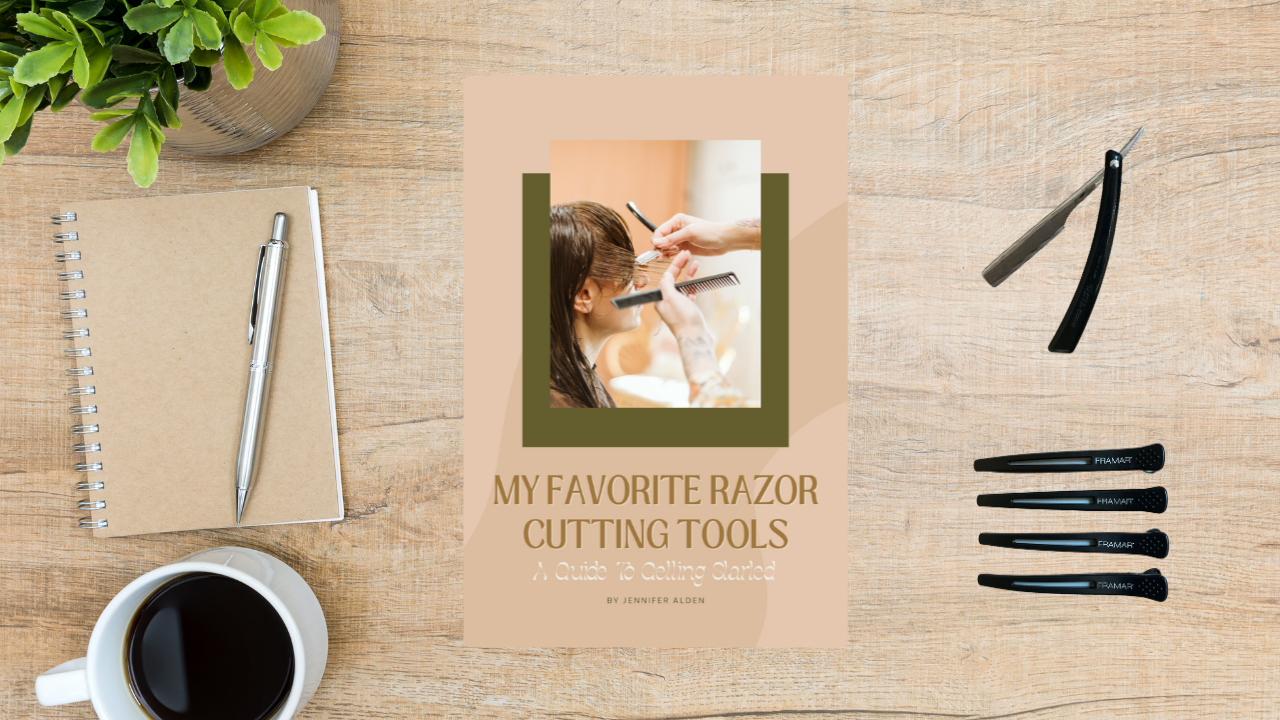
FREE Razor Cutting Tool Guide - Get my complete breakdown of essential tools, how to use them, and how to maintain them. Perfect for beginners or anyone wanting to refine their toolkit.
Razor Cutting Essentials Mini Course - A comprehensive course covering proper technique, client assessment, different cutting methods, and troubleshooting common mistakes. Designed specifically for stylists who want to master this valuable skill.
Don't let uncertainty hold you back from adding this incredible technique to your skillset. With the right knowledge and practice, the razor can become one of your most valuable tools behind the chair.
xo Jen